





Personal tools
hip.jpg
Metallurgical Engineering

Metals and mineral products surround us everywhere, every day - at home, on the sports field, in our autos and SUVs, at school and in the office, and they form the major components of buildings, aircraft, trains, ships, and even our mountain bikes. It is this strong dependence of our society on metals that gives this profession its sustained importance in the modern world. Economic and technical progress into the 21st century will depend in large part on further advances in metal and mineral technology in spite of the emergence of many new and exotic materials during the latter half of the 20th century.

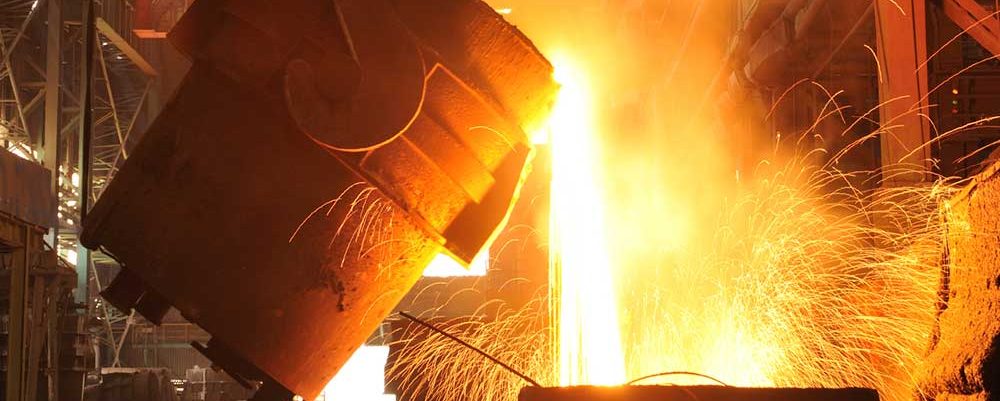
Metallurgical Engineering is the science and technology of processing materials to extract, refine and recycle metals. These processes include the development and use of metals and alloys that have specific physical properties.

Metallurgical Engineering has three distinct branches:

Physical metallurgy:
  • uses metal science to develop and use metals and metallic alloys for the millions of manufacturing activities that are undertaken every day to keep our modern technically oriented society supplied with the goods and machines that it neds to remain healthy.
Mineral processing:
  • deals with the recovery of valuable mineral products, many of which contain metals, from the crust of the earth.
Extractive metallurgy:
  • uses chemical processing at high temperature or in solution to convert minerals from inorganic compounds to useful metals and other materials.
QUICKLINKS

Titanium Alloy Hip

Titanium Alloy Hip

Metals are an important building block of modern society. Metals continue to find new applications like this titanium artificial hip replacement.


Department of Metallurgical Engineering
135 S. 1460 E, Room 412 • Salt Lake City, UT 84112
Phone: (801) 581-6386 Fax: (801) 581-4937
Disclaimer